Turning Independent Institutes into One University
How HBKU brought independent colleges and national research institutes together under one university brand, connecting postgraduate education, applied research and national priorities.
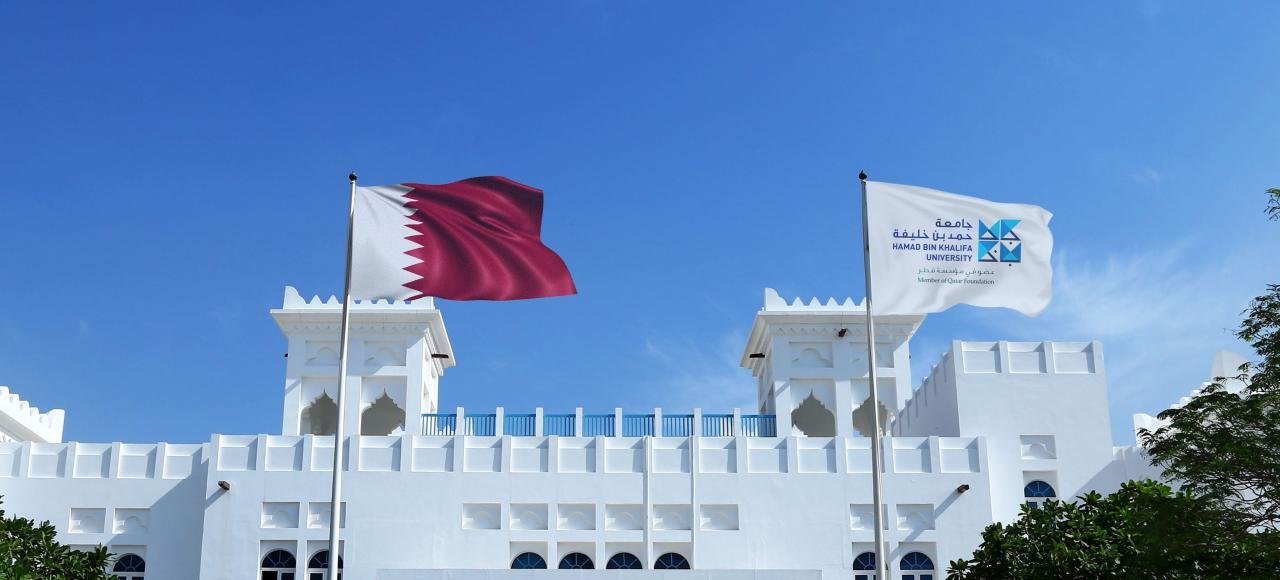
Established in 2010, Hamad Bin Khalifa University was created to advance postgraduate education, research and innovation in support of Qatar's knowledge-based economy.
Its model connected graduate education with applied research through its colleges and national research institutes. Researchers and scientists working in computing, biomedicine, energy, water and the environment could contribute to graduate teaching. Students gained access to research-active faculty, national facilities and real-world challenges.
This created the basis for a multidisciplinary university that could develop talent, generate intellectual property, support national priorities and build international academic recognition.
The ambition required more than moving entities into the same organizational structure.
HBKU needed a brand architecture that could turn independently operating colleges and research institutes into one recognizable university. Without a clear system, research output, partnerships, media coverage, academic programs and scholarly reputation could remain associated with individual institutes instead of strengthening HBKU's institutional equity.
Research involving more than 33 stakeholders included university leadership, communications teams, research institutes, students, Qatar Foundation and Education City partner universities.
The challenge was to establish HBKU as Qatar's homegrown research university while protecting the specialist credibility, networks and audiences of its colleges and national research institutes.
- (01)Institutional definition: stakeholders were unclear about what constituted HBKU
- (02)Strategic alignment: internal teams did not share a consistent understanding of HBKU's future direction
- (03)Brand relationships: relationships with Qatar Foundation, colleges, institutes and partner universities were inconsistent
- (04)Role clarity: HBKU's academic role was often confused with its Education City coordination and shared-services responsibilities
HBKU's advantage was not limited to postgraduate degrees or the presence of research institutes. Its strength came from the relationship between education and research.
The university could integrate national research capability with graduate education. Researchers and scientists could teach. Students could participate in active research. Multidisciplinary programs could respond to challenges in computing, sustainability, energy, environment, biomedicine, public policy and social development.
That advantage would be lost if each institute communicated as a separate entity.
The colleges, research institutes, academic programs and research outcomes were distinct expressions of one university mission.
The HBKU master brand had to strengthen the institutes, not absorb their identity. Their collective academic output, intellectual capital, visibility and reputation needed to build value for the university as a whole.
We developed a heavy-endorsement brand architecture that positioned HBKU as the visible academic and research master brand while allowing specialist colleges and institutes to retain enough flexibility for their own audiences.
The system connected the university, its colleges, programs, research institutes and centers through clear naming, endorsement and co-branding principles. It defined which entities should sit visibly under HBKU, how they should be presented and where shared Education City services needed a separate identity.
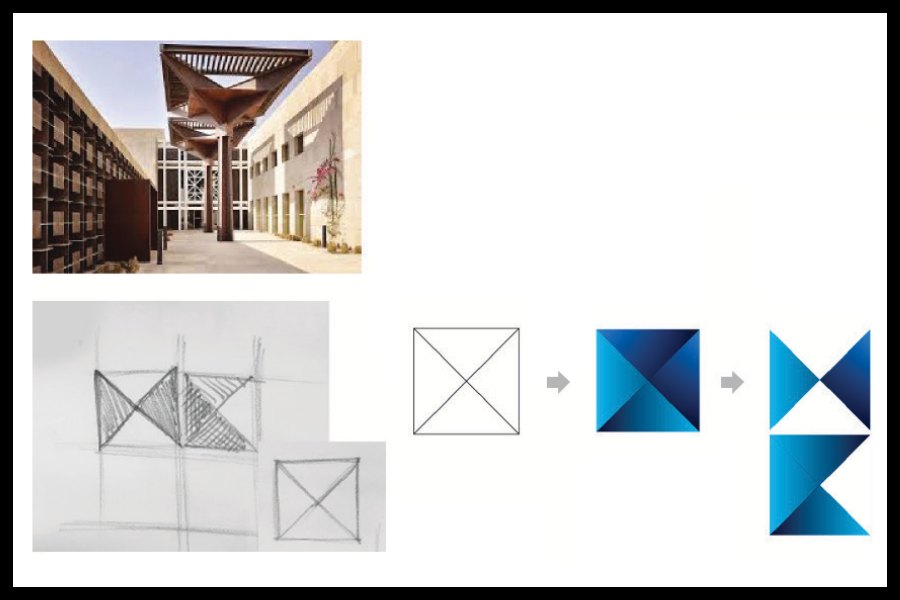
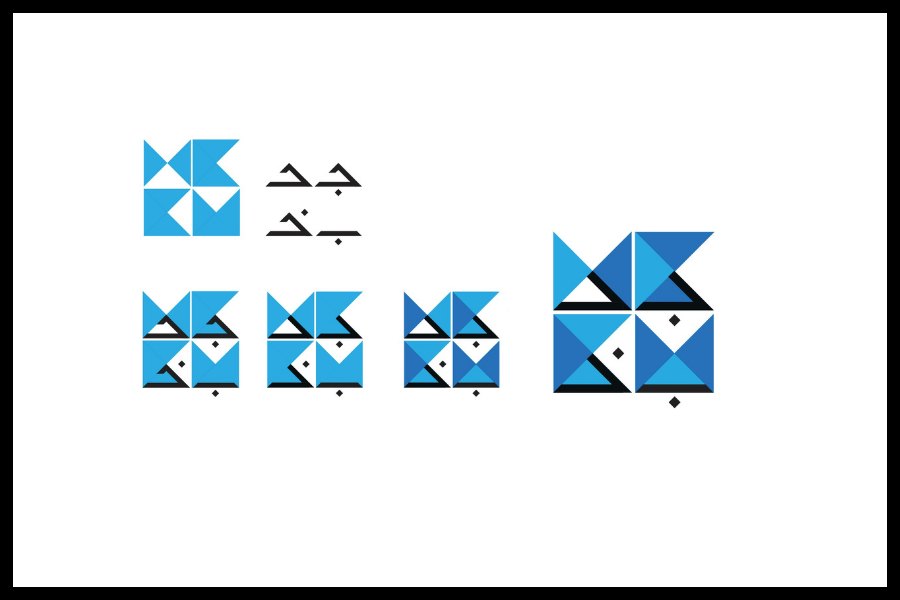
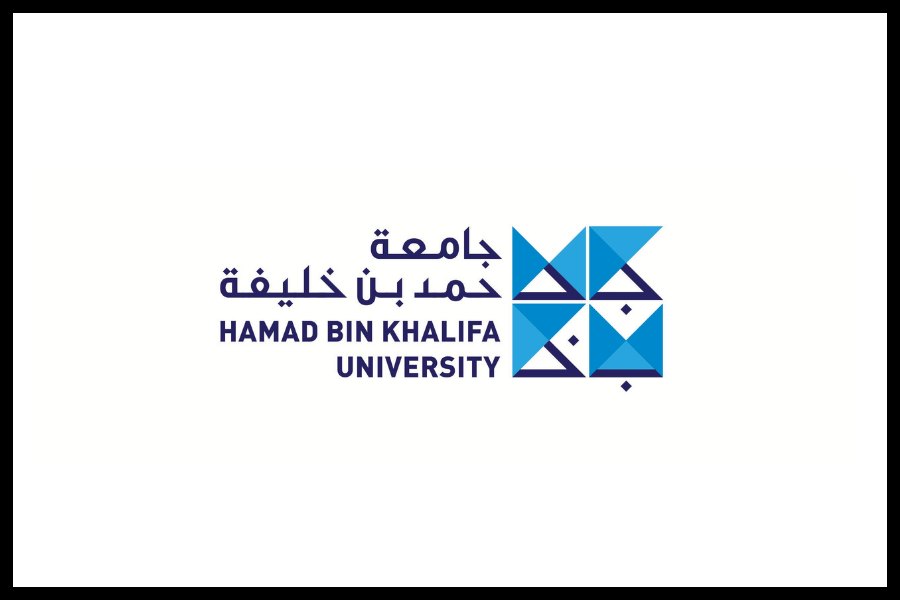
The identity expressed HBKU as a homegrown university rooted in Qatari culture, globally connected and focused on turning knowledge into national progress. Its triangular form drew from the geometric language of Islamic architecture and forms visible throughout the Education City campus. Arabic and Latin letterforms were integrated into one mark.
The positioning line, 'Innovating today... shaping tomorrow,' gave the system a clear public promise. HBKU was positioned as a research-intensive postgraduate university where education and applied research work together to address complex challenges in Qatar and beyond.
- Brand purpose, positioning and promise
- Brand architecture across HBKU, its colleges, research institutes, centers and Education City relationships
- Naming conventions and a decision framework for future entities
- Bilingual brand story, messaging framework and tone of voice
- Co-branding principles for Qatar Foundation and partner relationships
- Roadmap for internal alignment, engagement and implementation
- Brand governance, guidelines, templates and communications planning
- Rolled out the master brand and architecture across colleges, institutes, centers and communications assets
- Led the internal launch and staff-engagement program across HBKU
- Extended the rollout across Qatar Foundation, followed by local, regional and international communications activity
- Developed bilingual messaging, communications planning, local and global outreach, newsroom operations and crisis-communications capability
- Built the governance and operational infrastructure required to apply the brand across content, campaigns, media, internal communications and stakeholder engagement
The formal delivery program included an 80-page brand-guidelines manual, core application templates, an internal brand-engagement workshop and a technical brand-induction workshop.
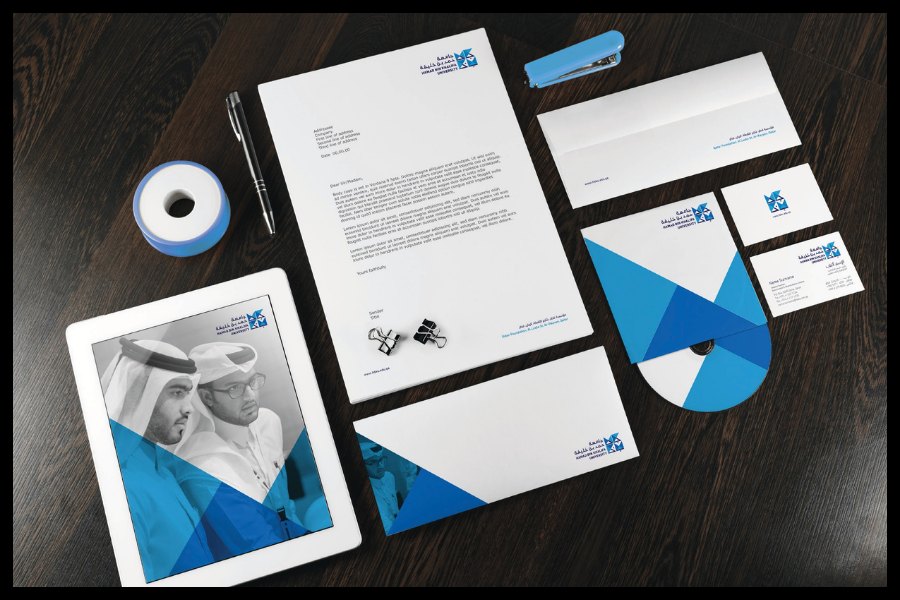
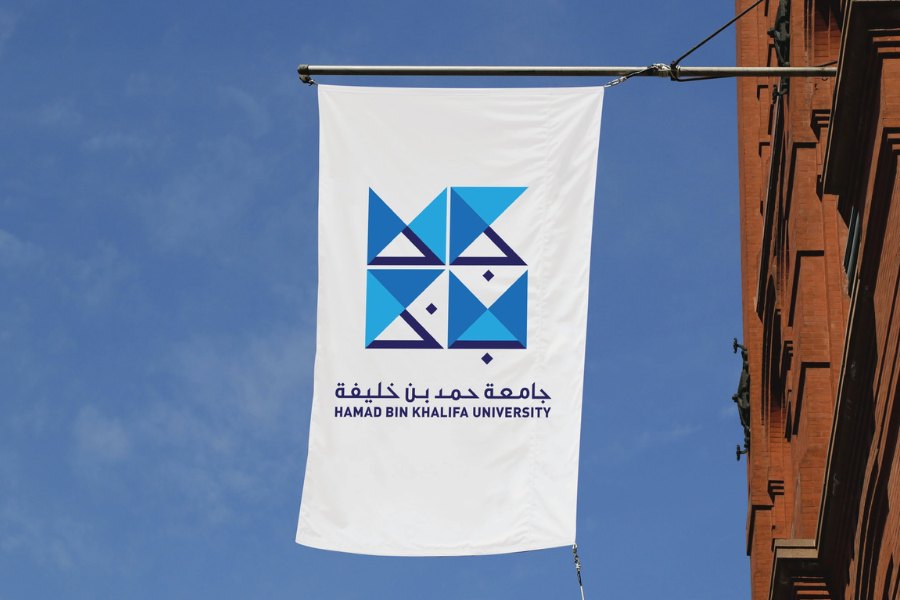
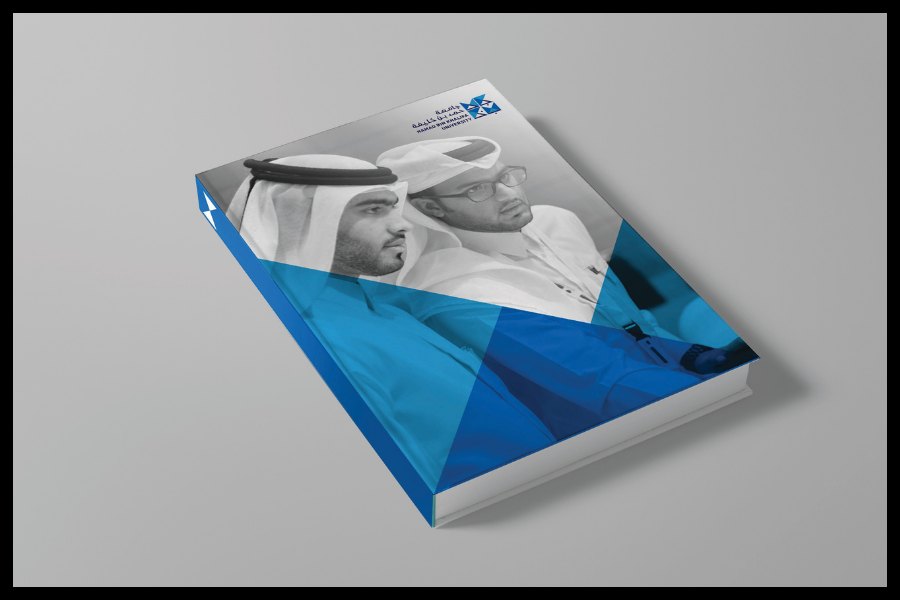

The work gave HBKU the strategic structure and communications infrastructure to present its academic and research assets as one university.
The architecture enabled the university to connect its colleges, three national research institutes, postgraduate programs, applied research and external partnerships under a shared institutional mission. It established a disciplined basis for research storytelling, academic visibility, stakeholder engagement and long-term reputation building.
HBKU's Board of Trustees approved the revised brand identity alongside the 2016 to 2026 Strategic Plan. The unified brand and new website launched publicly in November 2016. The plan called for further integration of specialized, multidisciplinary academic programs and research activities into an innovative, interdependent ecosystem.
HBKU's later international progress provides useful context. In the QS World University Rankings 2025, HBKU reached 184th globally, placing it among the world's top 200 universities less than 15 years after its establishment. That performance reflects a wider institutional effort across leadership, academia, research and communications. It should not be presented as the direct result of branding alone.
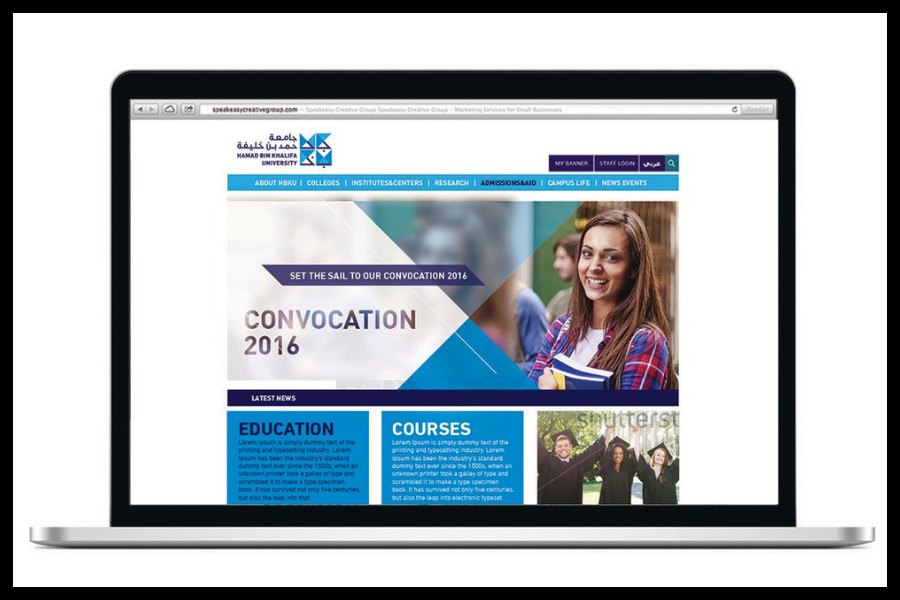

While HBKU will forever be firmly rooted in its Qatari heritage, the launch of a new brand identity marks the beginning of an exciting new chapter for the University.
As Head of Communications, I managed HBKU's Communications Department and led the project across strategic and operational phases. My responsibilities included leading the research and strategy process, directing the communications response to the new architecture, shaping internal alignment and launch planning, and operationalising the master brand across messaging, content, local and global outreach, newsroom activity, crisis communications and stakeholder engagement.
- Client: Hamad Bin Khalifa University, Qatar Foundation
- Project leadership, communications strategy and rollout: Houssam El Zein
- Research and brand strategy: Brand Union
- Brand identity development: Sixty Degrees
- Project period: 2015 to 2016
Your institution is different. The problem usually isn't.