Learning Never Stops
How HBKU turned pandemic continuity into a visible communications system that kept its community informed, learning active and research expertise useful to Qatar.
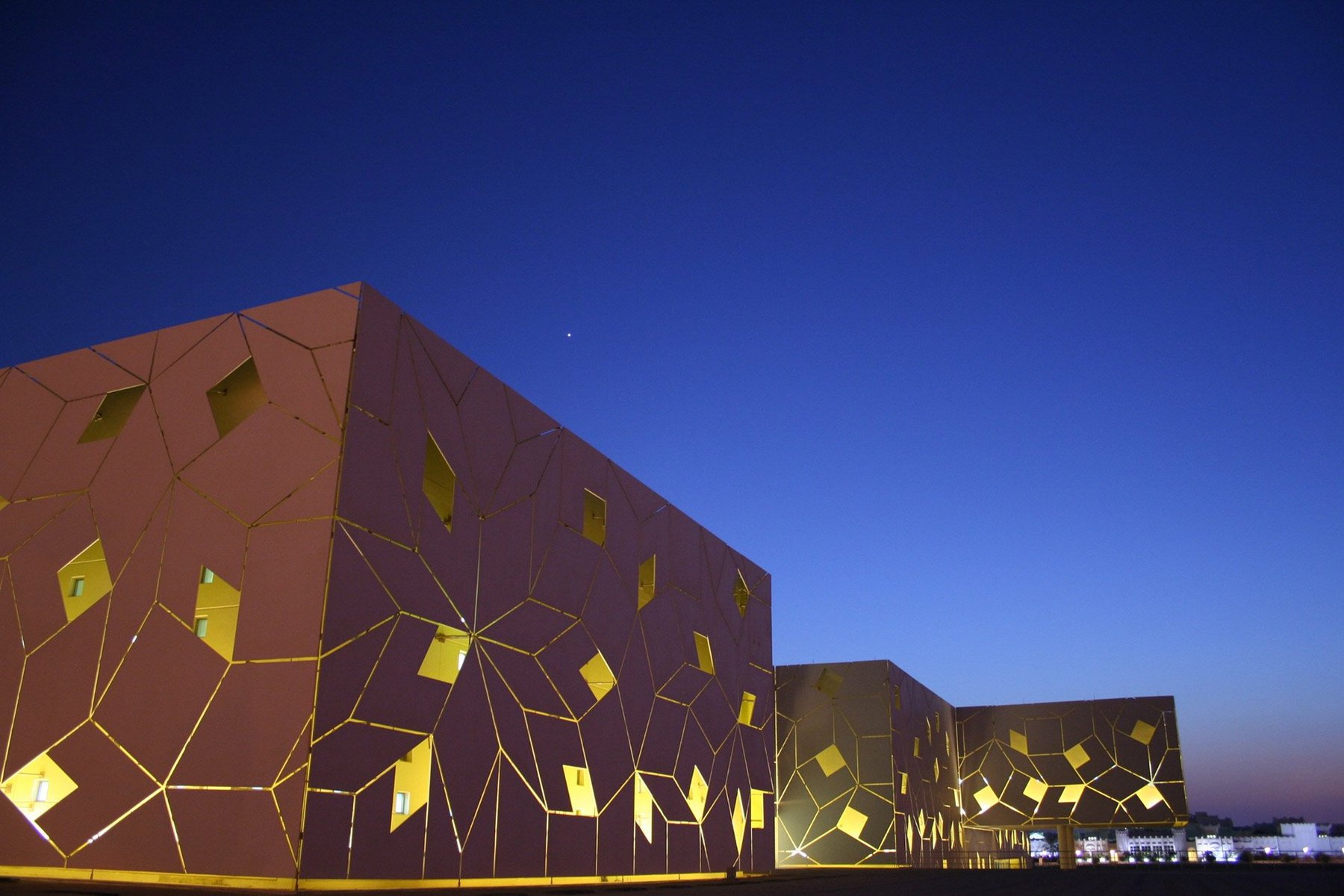
HBKU is a research-intensive postgraduate university with colleges, national research institutes, students, faculty, researchers and partners across Education City.
COVID-19 disrupted campus life, in-person teaching, research operations, recruitment, events and community engagement. The university needed to move quickly to digital platforms while giving students, staff, researchers, prospective applicants, partners and the wider public clear and timely information.
The pandemic also created immediate demand for expertise already present across HBKU in data science, misinformation, digital health, diagnostics, biomedical research, air quality, water, mental health, law and public policy.
The challenge was to maintain confidence and continuity while information, restrictions and operational decisions changed rapidly.
Different audiences needed different forms of support. Students needed practical guidance and continued access to learning. Faculty and researchers needed help moving teaching, events and research communication online. Staff needed reliable internal updates, remote-working guidance and access to wellbeing and IT support. Prospective students needed to continue their enrollment journey without open houses or campus visits.
External stakeholders also needed evidence that HBKU's research and expertise remained active and relevant to Qatar's response.
The work could not be managed as a sequence of announcements. It required one coordinated system connecting crisis information, academic continuity, research visibility, public engagement and internal communications.
- (01)Trust: rapidly changing guidance created uncertainty and increased the risk of misinformation
- (02)Continuity: learning, recruitment, research communication and public programs had to move online
- (03)Coordination: colleges, institutes and operational teams needed one reliable communications system
- (04)Relevance: HBKU's research expertise had to become visible and useful during a national emergency
People did not need more noise. They needed one reliable university that could help them understand what was changing, what support was available and how learning and research would continue.
Continuity had to be made visible.
Operational updates were necessary, but they were not enough. Every communication needed to answer one of two questions: What does this mean for me? How is HBKU helping?
That became the organizing principle for the response: protect the community with clear information, keep education and engagement active through digital channels, and make research expertise accessible when Qatar needed it most.
We developed an integrated COVID-19 resilience communications program around four connected areas: research impact and collaboration, continued learning, community and student engagement, and reliable audience-specific communication.
The program combined a central information hub, internal communications, virtual events, webinars, research storytelling, faculty thought leadership, media engagement, social content and community programs.
The approach treated communication as part of institutional continuity. It connected operational guidance with visible evidence that HBKU's community was still teaching, learning, researching and contributing.
- Crisis communications and continuity strategy
- Central COVID-19 information hub and audience guidance
- Internal and external communications
- Digital learning, webinars and public engagement
- Research communications, thought leadership and media relations
- Digital recruitment, outreach and community engagement
- Coordination across HBKU, Qatar Foundation, colleges, research institutes and operational teams
- Created a dedicated COVID-19 information hub with separate guidance for students and employees, practical resources, FAQs, remote-working support, wellbeing information and current university updates
- Moved teaching, language learning, public programs, student activities and recruitment engagement into digital formats
- Built a structured webinar operation covering concepts, production guidelines, platform training, technical rehearsals and live-event support
- Translated research from HBKU's colleges and national research institutes into accessible stories connected to Qatar's public-health response
- Maintained continuous internal and external communication through leadership updates, media activity, newsletters, social content and audience-specific messages
- Supported collaboration with national organizations including the Ministry of Public Health, Hamad Medical Corporation, Ministry of Interior, Ministry of Foreign Affairs and Sidra Medicine
The response functioned as an operating system, not a campaign. It connected accurate information, academic continuity, public engagement and research visibility through one coordinated communications effort.
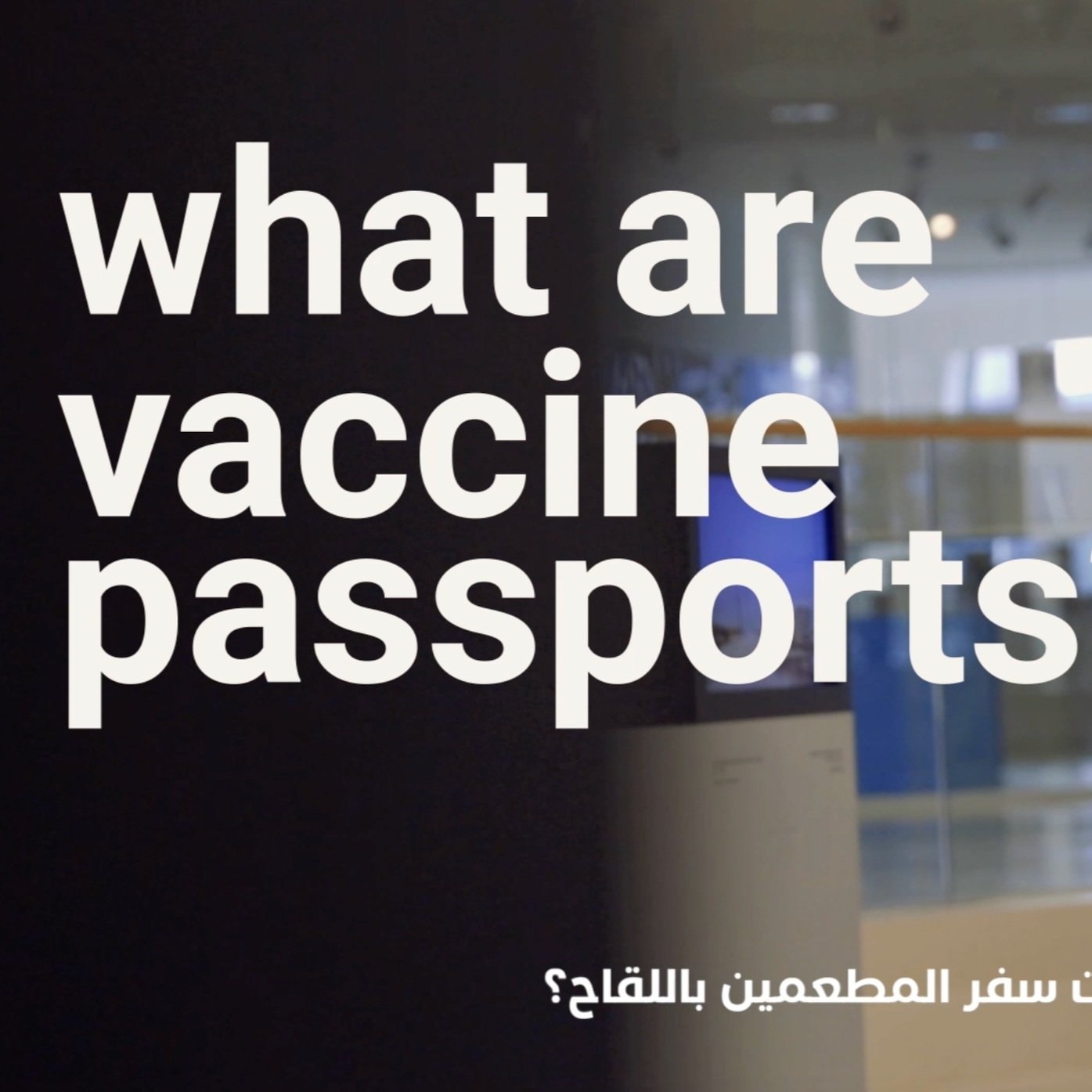
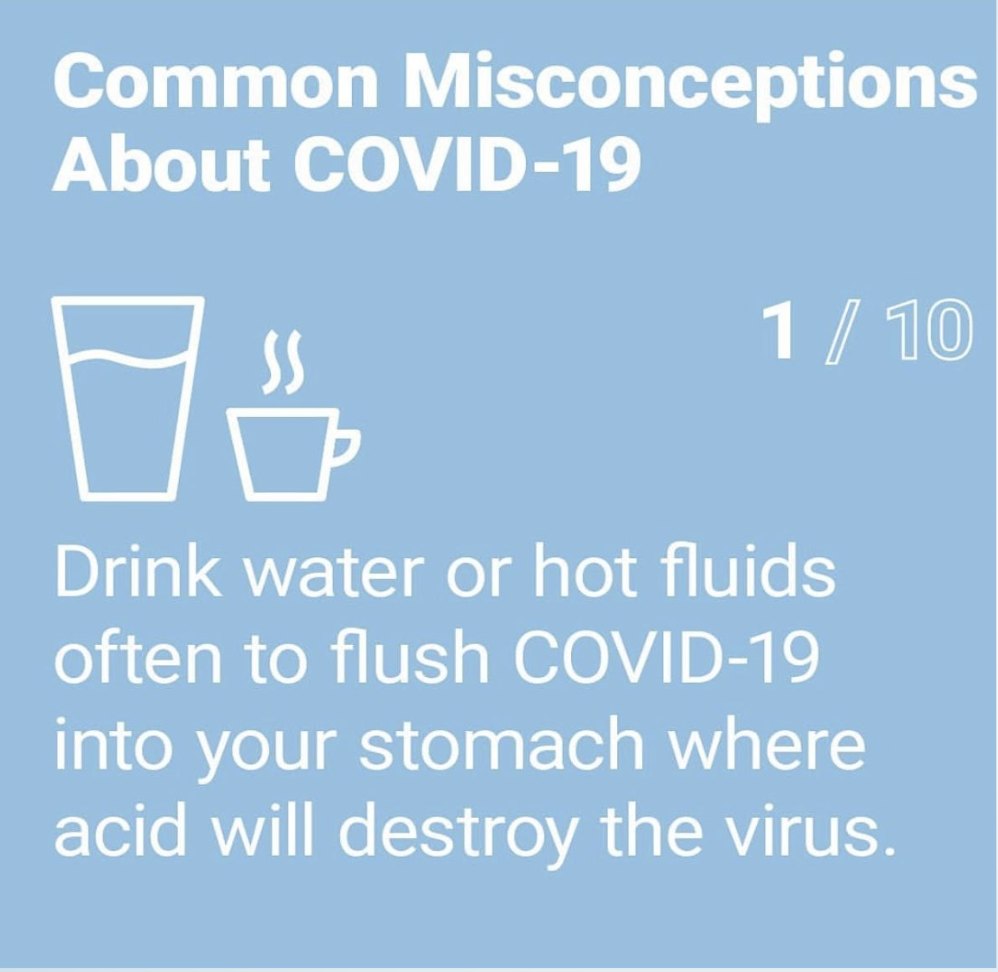
The program protected HBKU's connection with its community when physical connection was impossible. Students, staff and researchers had a reliable source of information, learning and community activity continued, and the university established a practical digital model for public engagement.
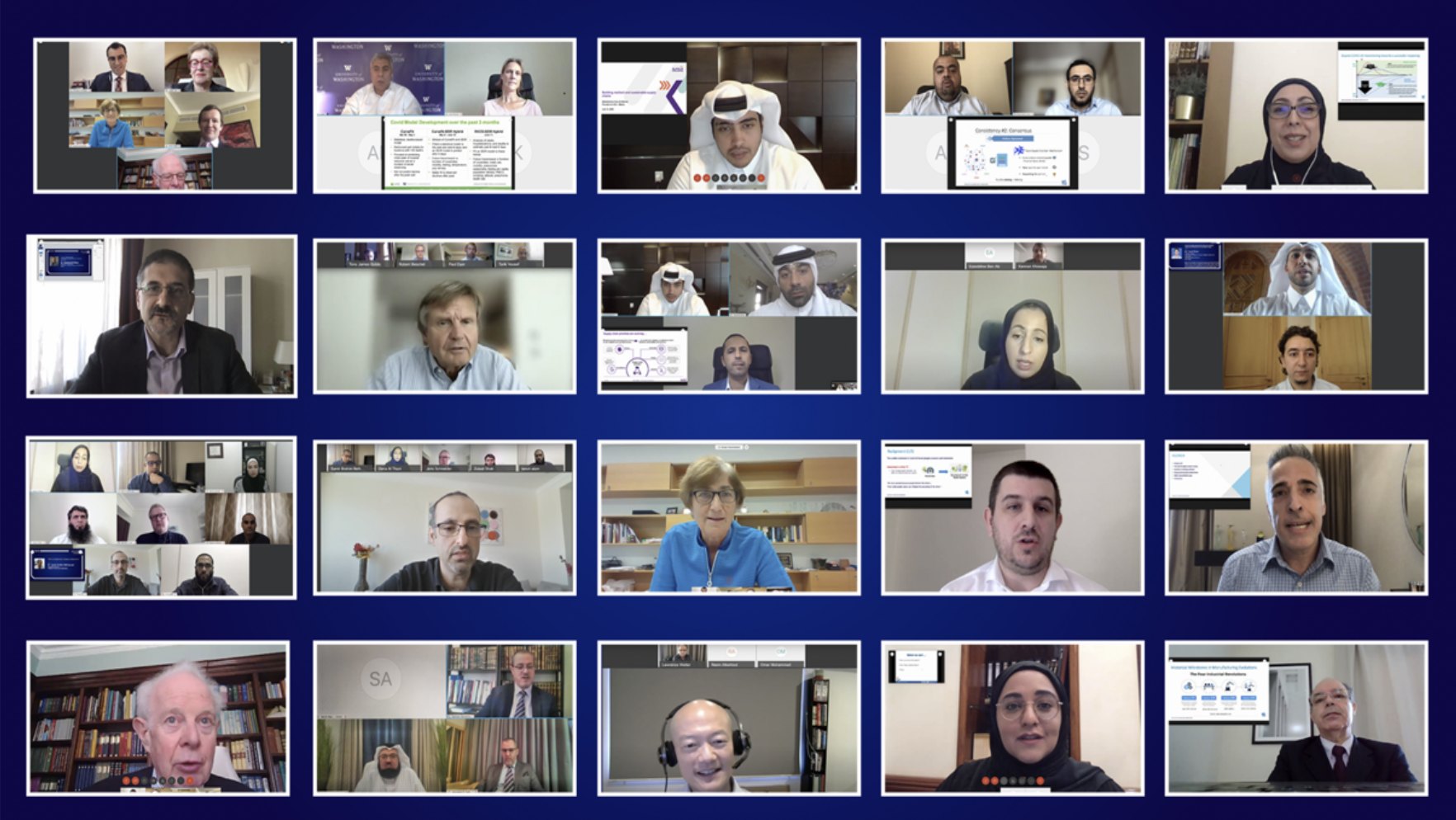
From 27 April to 23 June 2020, 22 webinars were scheduled. Fifteen had been delivered and seven were in development at the time of reporting. Sessions covered COVID-19 data, epidemiological modeling, water research, health-service management, Islamic ethics, misinformation and the social effects of the pandemic.
The communications program generated 102 pieces of external media and content activity across press releases, features, Q&As, opinion articles, expert alerts, broadcasts and web exclusives.
Internally, HBKU distributed 54 communications across leadership, Student Affairs, Human Resources, IT, Operations and Safety, and Communications. These achieved a 61% average open rate.
Most importantly, the work made HBKU's institutional promise real during uncertainty. Learning continued. Research remained active. The university community stayed informed and connected. HBKU's expertise became visible as part of Qatar's wider response.
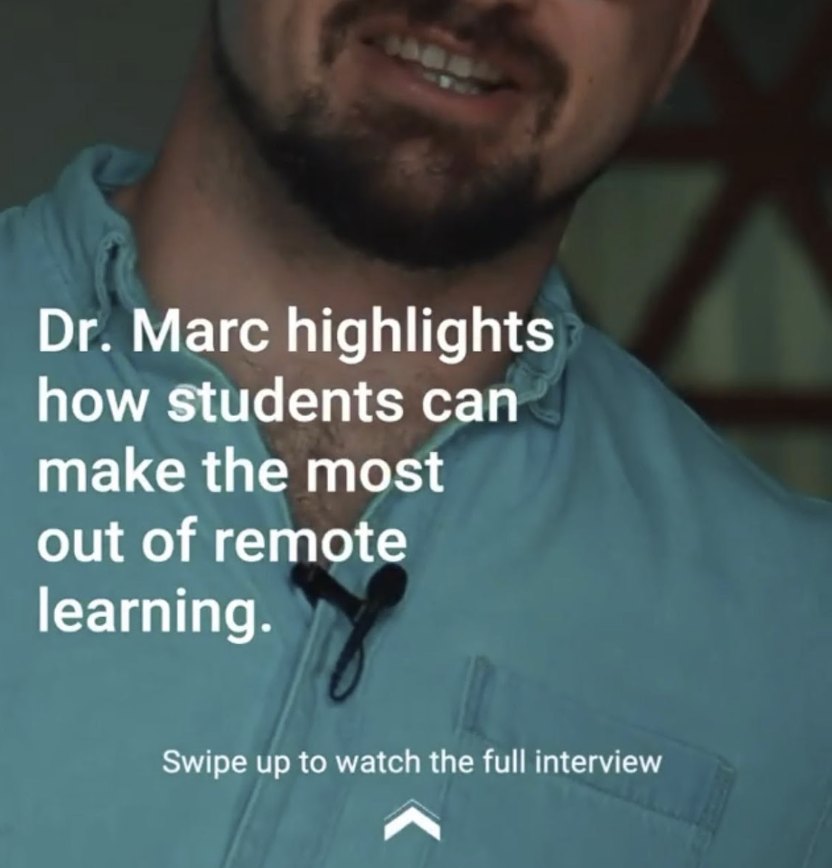

As Head of Communications, I led HBKU's marketing communications response through the pandemic. My role covered crisis communications, the central information hub, internal and external communications, digital engagement, online-event delivery, thought leadership, research communications, faculty visibility, and the transition of student recruitment and outreach into digital formats. I worked with the Communications team, Qatar Foundation, HBKU's colleges and research institutes, operational teams and national health guidance to maintain a coordinated, practical and human response.
- Client: Hamad Bin Khalifa University, Qatar Foundation
- Crisis communications and integrated delivery: Houssam El Zein
- Delivery: HBKU Communications team
- Collaboration: HBKU colleges, national research institutes and operational teams
- Project period: 2020
Your institution is different. The problem usually isn't.